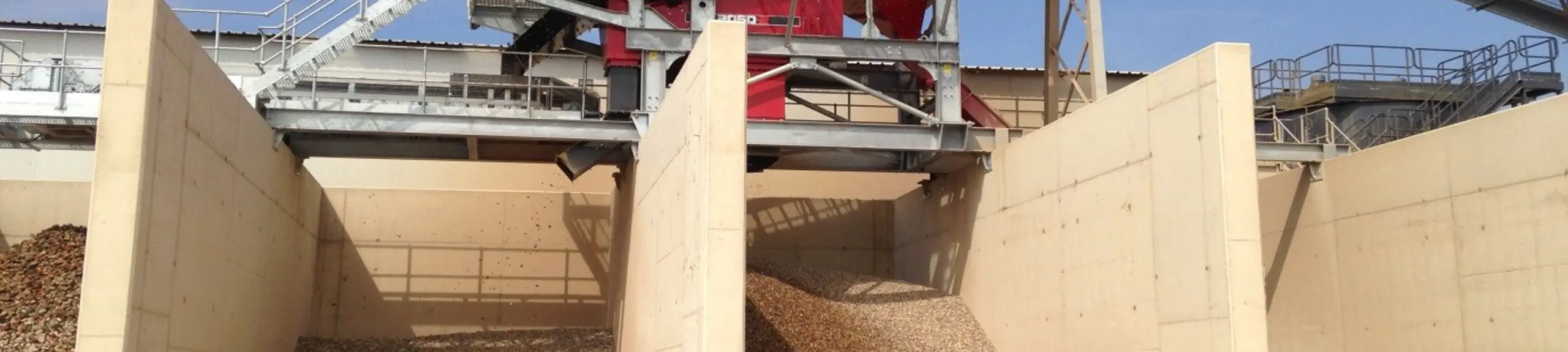
The WRAP Quality Protocol: Aggregates from Inert Waste sets out how recycled aggregates can be safely and legally used in construction. Developed by the Environment Agency and WRAP (Waste & Resources Action Programme), the protocol defines the standards recycled aggregates must meet to achieve End of Waste status and replace primary aggregates.
By setting clear quality, testing, and control requirements, the protocol supports sustainable waste management while ensuring recycled aggregates remain suitable for construction use. It also provides confidence to contractors, clients, and regulators that materials are safe, compliant, and fit for purpose.
Find out more below.
Key Takeaways
1. The WRAP Quality Protocol defines when recycled aggregates can cease to be classed as waste.
2. Aggregates that meet the protocol can be used without waste management controls.
3. Materials must comply with relevant British and European Standards for their intended end use.
4. Using WRAP-compliant recycled aggregates reduces environmental impact without compromising performance.
5. Proper testing, documentation, and production controls are essential to achieving compliance.
What Is the WRAP Quality Protocol: Aggregates from Inert Waste?
The WRAP Quality Protocol aims to increase the use of recycled aggregates while protecting human health and the environment. It establishes a defined control process which, when met, allows aggregates to be considered fully recovered and no longer classified as waste.
Once materials achieve non-waste status, they can be supplied into specific construction markets without the need for waste management controls. However, the aggregates must still meet recognised aggregate standards and specifications.
End of Waste Criteria & Aggregate Standards
To achieve End of Waste status, recycled aggregates must conform to the relevant British Standards based on their intended application.
At ACS, we advise clients on appropriate testing regimes and testing frequency for the following end uses:
- BS EN 13139:2013 – Aggregates for mortar
- BS EN 12620:2002 – Aggregates for concrete
- BS EN 13242:2002 – Aggregates for unbound and hydraulically bound materials
Compliance with these standards is essential to demonstrate suitability and meet the requirements of the WRAP Quality Protocol.
Why Recycled Aggregates Matter
Construction activities contribute significantly to energy consumption and carbon emissions. As environmental pressures increase, reducing the use of primary aggregates is an important step towards more sustainable construction practices.
Recycled aggregates help:
- Reduce demand for virgin materials
- Lower waste sent to landfill
- Decrease transport-related emissions when sourced locally
Using recycled aggregates in line with the WRAP Quality Protocol ensures environmental benefits are achieved without compromising safety or performance.
Benefits of the WRAP Quality Protocol
The WRAP Quality Protocol provides a consistent and controlled approach to the production and use of recycled aggregates.
1. Reliability & Durability
Recycled aggregates that have achieved End of Waste status demonstrate comparable strength, consistency, and durability to primary aggregates. When used correctly, they perform to the same standard in construction applications.
2. Compliance & Quality Assurance
The protocol provides confidence that recycled aggregates comply with industry specifications and relevant European Standards. This allows designers, contractors, and clients to rely on material performance.
3. Sustainability
Recycled aggregates support sustainable construction by reducing waste, lowering carbon emissions, and promoting local material reuse.
4. Health & Safety
The protocol protects public health and the environment by reducing the risk of contamination and soil degradation. Controlled processing and testing ensure materials are safe for their intended use.
What a WRAP Quality Protocol-Compliant Document Includes
At ACS, we produce process-specific documentation that complies with the WRAP Quality Protocol. A compliant document typically includes:
- Introduction: Overview of the purpose and scope of the WRAP Quality Protocol.
- Waste Acceptance: Criteria for accepting inert waste, including permitted material types and restrictions.
- Factory Production Control (FPC): Controls and procedures to maintain consistency and quality during production.
- Testing and Compliance: Defined testing suites and frequencies aligned with the intended end use.
- Product Sales: Requirements for documenting and supplying compliant aggregates.
- Plant and Machinery: Maintenance and calibration requirements to ensure accurate processing.
- Site Management: Safety procedures, waste management, and environmental protection measures.
- Records and Reports: Documentation to demonstrate ongoing compliance with regulatory requirements.
Our WRAP Quality Protocol Consultancy Services
As part of our consultancy service, we typically begin with an initial site visit. This includes a guided tour of the facility, discussions around plant operations, and consideration of any planned process changes.
ACS has provided quality testing and materials consultancy to the construction industry since 1987. We offer comprehensive aggregate and soil testing to British and European Standards, including MCHW requirements.
Our services include:
- Mechanical, physical, and chemical testing of natural and recycled aggregates
- UKAS-accredited sampling of aggregates, bituminous materials, concrete, soils, and water
- Flexible working hours, including day and night work where required
Our expert team delivers on-site testing and sampling services across the South of England, with additional coverage in South Wales and the Isle of Wight.